

The two articles we are covering for this week seem to agree with each other, even though they come from publications that are known to be in direct ideological opposition to one another. Poor education is more a product of poverty than it is a symptom of flaws with teaching, problems with educational standards, or the existence of teaching unions. And the link between education and poverty is clear: the less educated one is, the more likely he or she is to languish in poverty. Similarly, the more impoverished a person is, the more likely he or she will under-perform educationally. It’s a bad cycle.
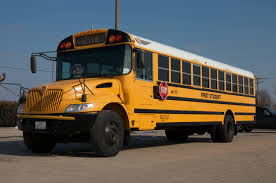
So how do we in Alabama fit in to this cycle? Today I saw a link to an article that seems to indicate the Hoover School System bus imbroglio has resurfaced. Evidently, the Hoover Board of Education has filed a request with the Department of Justice to implement a fee for students who ride the bus to school. Like a lot of articles about civic life in Alabama, this reads like a piece that you’d see in The Onion.
Last December, the Board initially voted to end bus service for most students in its district, but then they rescinded the decision. Now, the Board has filed a proposal to implement a fee schedule that would charge students who need to ride the bus to school. Curiously, though, the Hoover school district is refusing to make their fee proposal public.
Many families in the Hoover district want to know details, especially the key detail of how much this fee will be if in fact it will be implemented. Predictably, these are people who do not own homes and do not have the luxury of driving their children to school in privately-owned vehicles. They want to know if they will be able to afford to send their kids to school or if they should move to another district that does provide bus services.
The end of public bus services by Hoover is tantamount to ending public education. It’s a mechanism designed to keep poor students out of the district, and it is a 21st-century exercise of social segregation. Hoover school officials complain about a budget deficit, yet the condition of education in that district is better than just about anywhere in the state.
This is just one more example of many other discussions we’ve been having this semester about the clear links between educational quality and access to information. I’m curious to hear what other people in the class think. Why do so many articles talk about the connection between poverty and education but then stop short at naming all of the ways that our best school districts actively work to draw boundaries between the rich and the poor? Furthermore, what can we do about it?
One Response to How Do We Fit In?